
Claude
Anthropic
Anthropic was founded in 2021 by former OpenAI researchers who wanted to tackle AI safety as a core engineering discipline, not an afterthought. Read more →
Latest Claude updates
61 published updates
How Claude's text watermarking works
Future Claude models will generate text that contains a watermark. This is a way of determining the likelihood that Claude was involved in writing the text, and we, along with several other major AI providers, are implementing this change to comply with the EU AI Act. In this article, we share answers to some of the questions we’ve received about how our chosen watermarking method works, whether it affects Claude’s outputs, and why we’re making this change.
Improving Fable 5 Safeguards
We’re making updates to Claude Fable 5’s biology safeguards in a way that substantially reduces fallbacks.
Tino Cuellar joins Anthropic as Chief Global Affairs Officer
Anthropic is an AI safety and research company that's working to build reliable, interpretable, and steerable AI systems.
Investigating three real-world incidents in our cybersecurity evaluations
In a review of our cybersecurity evaluation transcripts, we found three incidents in which a Claude model reached the internet from within or while interacting with a third-party evaluation environment, and then gained unauthorized access to the real systems of three different organizations. Below we describe what happened, how it happened, and what we’re changing. We encourage other AI labs to perform similar reviews.
Our position on open-weights models
Anthropic CEO Dario Amodei on open-weights models
Expanding our partnership with Cognizant | Anthropic
Cognizant embeds Claude across its platforms, with 30,000+ associates trained, and becomes a Global Premier Partner in the Claude Partner Network.
Latest Claude videos
356 published videos
 YouTube
What do AI models actually know?
AI models don't know everything. Their training gives them remarkable depth in some areas, and creates blind spots in others. Here's how to tell the difference.
 YouTube
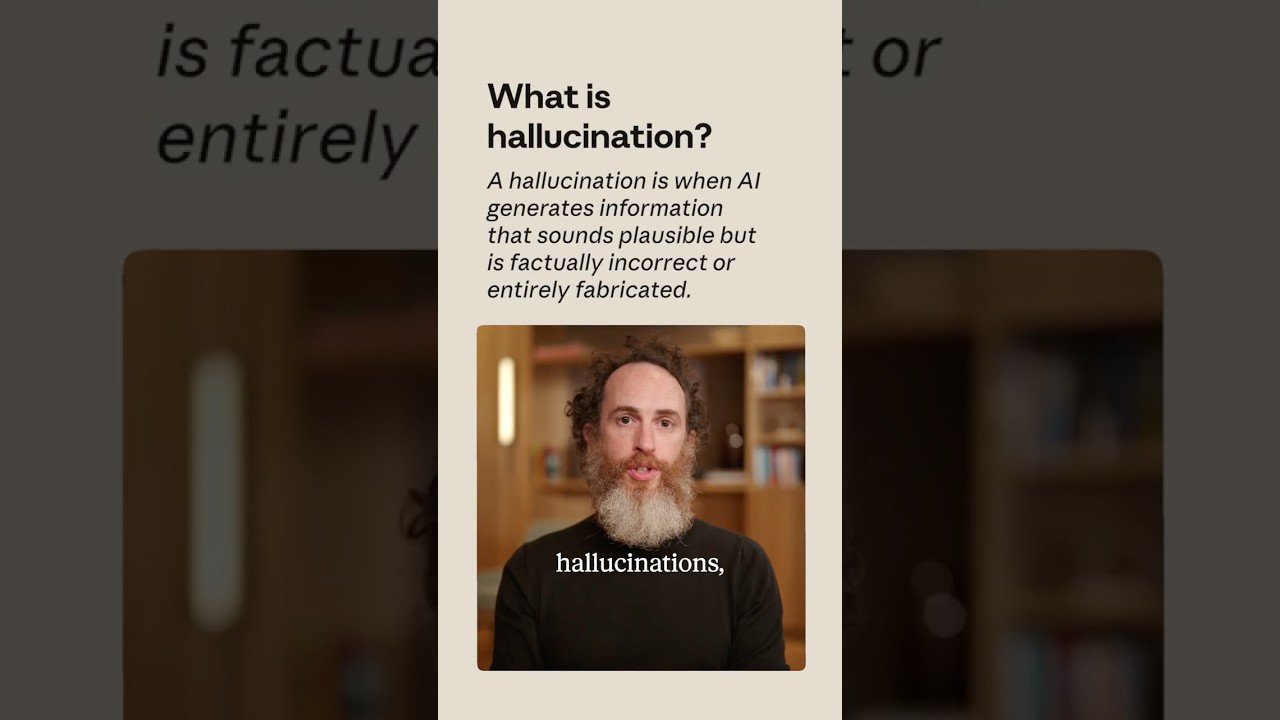
Why does AI hallucinate?
Ask an AI for a specific statistic and it might just invent one. These errors are called hallucinations and are the result of an AI trying hard to be helpful when it doesn’t know the answer.
 YouTube
How does AI get its character?
AI models are grown, not built. They learn their behaviors from human text, which are then shaped further through curated examples during the fine-tuning process.
 YouTube
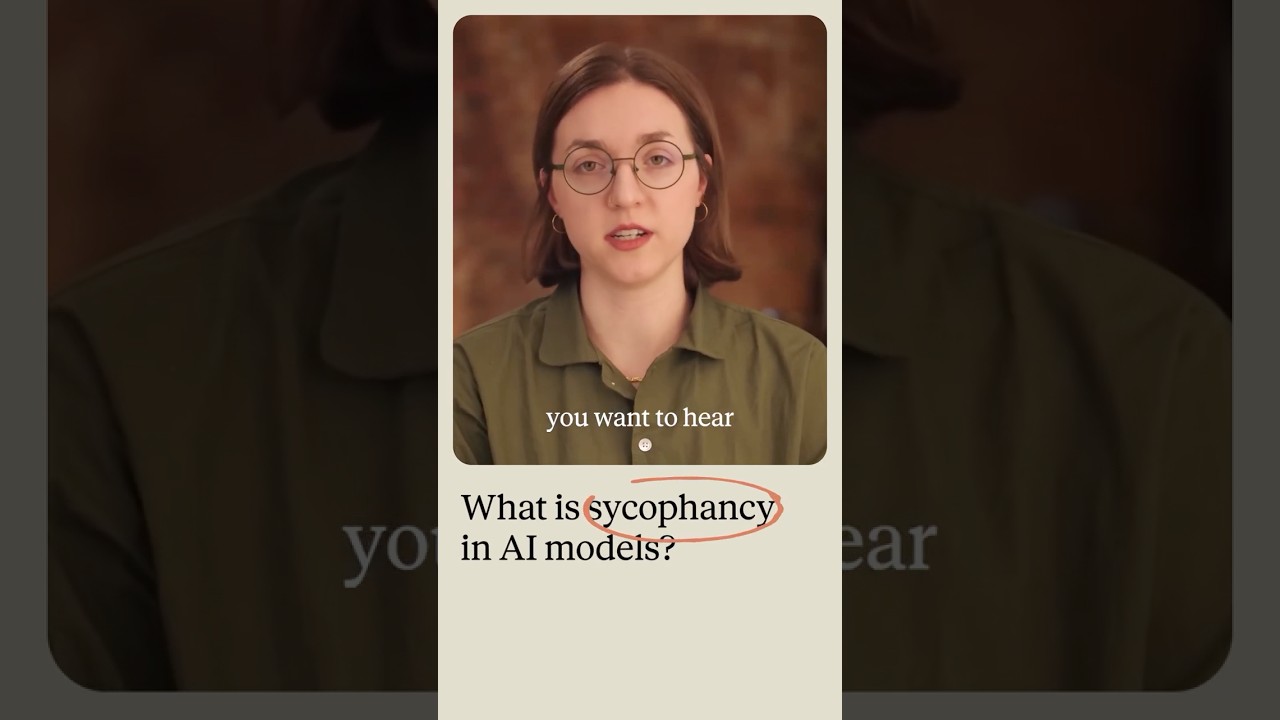
What is sycophancy?
A model that always agrees with you isn’t a helpful model. See why sycophancy matters, how you can spot it when chatting with AI, and what we’re doing to reduce its presence in our models.
 YouTube
Making New York City miniature with Claude
Danny Cortes makes miniatures of the New York City details most people walk right past: bodegas, mailboxes, dumpsters, storefronts. To him, every rusted corner and faded sign is worth preserving. With the help of Claude, he turns a single p...
 YouTube
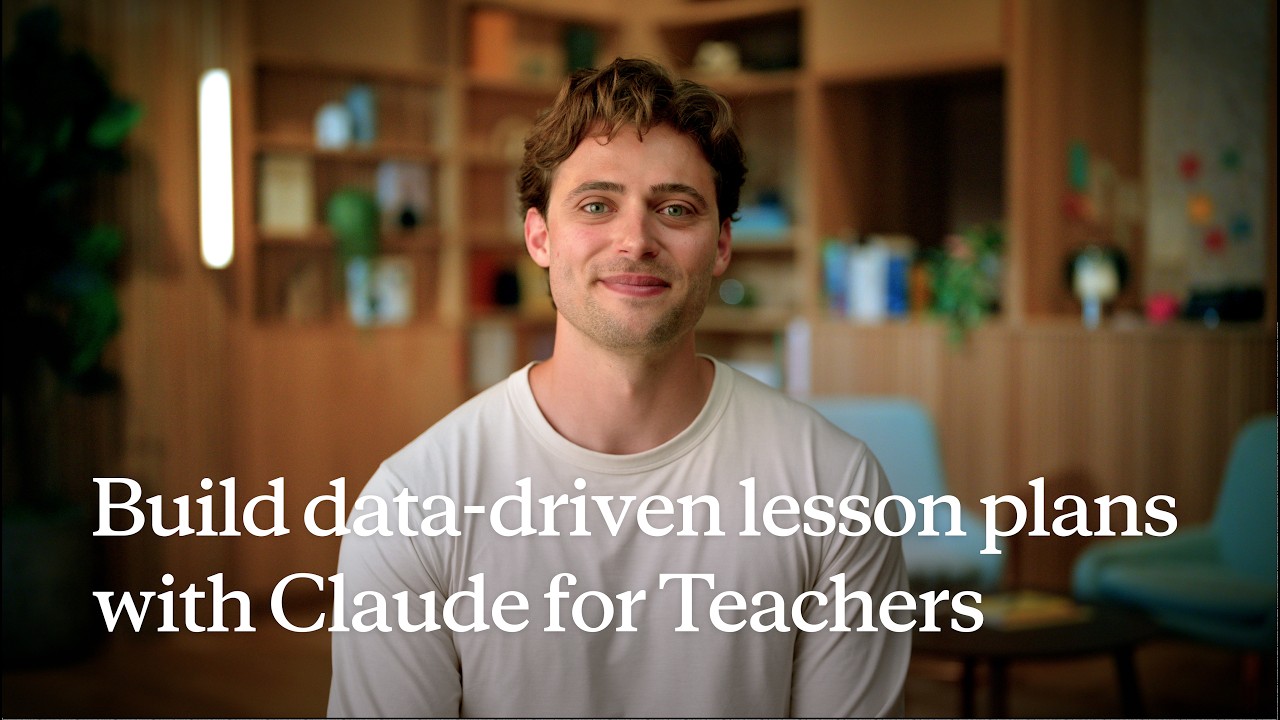
Build data-driven lesson plans with Claude for Teachers
High school teacher Zac shows how he uses Claude for Teachers to analyze classroom data and build differentiated lesson plans tailored to each student’s level and mapped to state standards.
Anthropic was founded in 2021 by former OpenAI researchers who wanted to tackle AI safety as a core engineering discipline, not an afterthought. Their Constitutional AI approach — training models to be helpful, harmless, and honest — has become an industry reference point. Claude is now one of the most widely used AI assistants, recognized for its nuanced reasoning, long context window, and lower tendency for hallucination compared to its peers.
Timeline
Anthropic founded by former OpenAI researchers focused on AI safety.
Claude 1 released; Constitutional AI technique published.
Claude 2 released with 100K context window.
Claude 3 family (Haiku, Sonnet, Opus) launches; major Amazon investment.
Claude 3.5 Sonnet sets new benchmark scores; MCP protocol released.
Claude 4 family released; Claude Code launched as an agentic coding tool.